
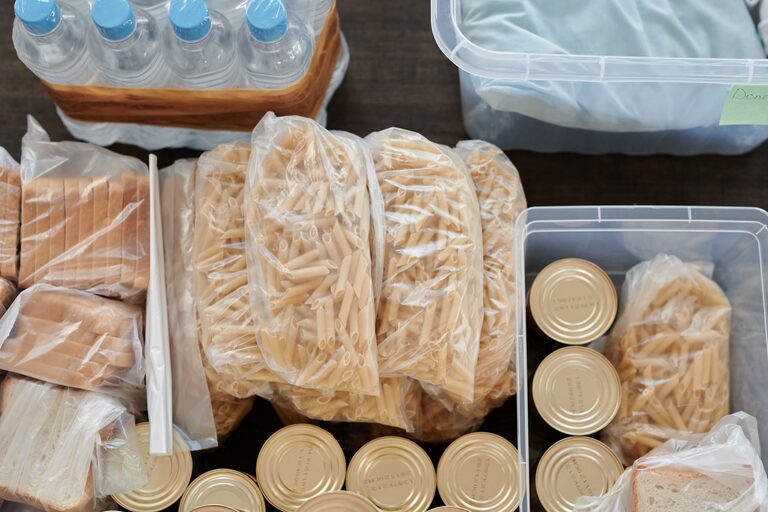
Planning meals around pantry staples is a smart way to save time, reduce food waste, and keep your budget in check. Whether you’re aiming to whip up quick dinners on busy weeknights or simply want to make the most of what’s on hand, using pantry basics can inspire delicious and nutritious meals. In this guide, we’ll walk you through practical steps to plan meals from pantry staples effectively.
Why Use Pantry Staples for Meal Planning?
Pantry staples like canned beans, pasta, rice, dried spices, and canned tomatoes have a long shelf life, meaning they’re always ready when fresh ingredients might be scarce. Planning meals based on these ingredients helps you:
– Avoid last-minute grocery store runs
– Save money by reducing food waste
– Create versatile dishes with minimal prep time
– Ensure balanced meals with a variety of ingredients
Step 1: Take Inventory of Your Pantry
Before planning meals, start by checking what you already have. Pull everything out, group similar items, and make a list. Common pantry staples include:
– Grains: rice, pasta, quinoa, couscous
– Canned goods: beans, tomatoes, vegetables, tuna
– Baking essentials: flour, sugar, baking powder
– Oils and vinegars
– Dried herbs and spices
– Nuts and seeds
– Shelf-stable sauces: soy sauce, hot sauce, broth
Having a clear inventory helps you avoid buying duplicates and sparks ideas for meals.
Step 2: Identify Your Meal Base Ingredients
Most meals start with a base, such as rice, pasta, or beans. Look for staples that can serve as a foundation for a variety of dishes. For example:
– Rice: perfect for stir-fries, bowls, or side dishes
– Pasta: easy to dress with tomato sauce, olive oil, or canned veggies
– Beans and legumes: great for soups, salads, or casseroles
Choose a base you enjoy and that complements the other pantry items you have.
Step 3: Mix and Match Flavors with Spices and Sauces
Pantry staples come to life with seasoning. Use your dried herbs, spices, and sauces to add flavor and variety:
– Italian seasoning for pasta dishes
– Cumin and chili powder for Mexican-inspired meals
– Curry powder and turmeric for Indian-style dishes
– Soy sauce and sesame oil for Asian flavors
This helps prevent repetitive meals and keeps your taste buds interested.
Step 4: Plan Balanced Meals by Adding Fresh or Frozen Ingredients
While pantry staples are versatile, adding fresh or frozen produce and proteins rounds out your meals nutritionally. Plan to include:
– Fresh vegetables like onions, garlic, carrots, or greens
– Frozen veggies for convenience and longer shelf life
– Eggs, cheese, tofu, or canned tuna for protein
– Fresh herbs for finishing touches
Keep a small list of fresh or frozen staples to buy weekly, which complement your pantry-based meals.
Step 5: Create a Weekly Meal Plan
With your inventory and meal base in mind, sketch out a weekly plan. Here’s an example outline:
– Monday: Spaghetti with tomato sauce and canned mushrooms
– Tuesday: Rice and beans bowl with frozen spinach and cumin
– Wednesday: Lentil soup using canned lentils and broth
– Thursday: Stir-fried noodles with soy sauce, garlic, and frozen mixed veggies
– Friday: Chickpea salad with canned chickpeas, olive oil, and fresh lemon juice
– Saturday: Rice pilaf with canned corn and diced fresh onion
– Sunday: Pasta bake with canned tomatoes, cheese, and herbs
This approach balances variety and simplicity.
Step 6: Batch Cook and Store
Cooking larger portions and storing leftovers can save time on busy days. Meal prepping with pantry staples is easy:
– Make large batches of soups or stews
– Cook rice or pasta in advance and refrigerate
– Portion meals into containers for grab-and-go lunches or dinners
Label your containers with dates to keep track of freshness.
Pantry-Friendly Meal Ideas to Get You Started
Here are some quick meal ideas using pantry staples:
– Chickpea Curry: Simmer canned chickpeas with canned tomatoes, curry powder, and coconut milk or broth. Serve over rice.
– Tuna Pasta Salad: Mix canned tuna with cooked pasta, olive oil, canned corn, and herbs for a no-cook meal.
– Bean Chili: Combine canned beans, canned tomatoes, chili powder, and spices. Serve with rice or bread.
– Vegetable Fried Rice: Use leftover rice, frozen vegetables, soy sauce, and eggs for a speedy dish.
– Lentil Stew: Cook canned lentils with broth, canned carrots, garlic, and thyme for a hearty stew.
Tips for Keeping Your Pantry Organized
A well-organized pantry makes meal planning easier:
– Store items in clear containers for visibility
– Group similar foods together
– Label shelves or containers
– Keep a running inventory list that you update regularly
This organization helps you spot what you have and what you need.
Final Thoughts
Using pantry staples to plan meals is an efficient and creative way to keep your kitchen stocked and mealtimes stress-free. By taking inventory, planning balanced meals, and seasoning thoughtfully, you can enjoy a variety of tasty dishes any day of the week. Remember to balance pantry ingredients with fresh or frozen produce for nutrition and flavor, and don’t hesitate to try new spice combinations to keep meals exciting.
Start with what you have, and enjoy the convenience and satisfaction of homemade meals made from your pantry treasures!
About the Author