Paper clutter is a common challenge in many households. From bills and receipts to school papers and junk mail, the stacks can pile up quickly, creating stress and making it hard to find what you need. The good news is that with a few simple strategies, you can significantly reduce the amount of paper in your home and keep things organized.
In this post, we’ll explore practical tips to manage and minimize paper clutter, making it easier to maintain a tidy living space.
Why Reducing Paper Clutter Matters
Before diving into solutions, it helps to understand why reducing paper clutter is worthwhile:
– Improves organization: Less paper means less mess, so you can find important documents quickly.
– Saves space: Clearing stacks frees up counters, desks, and drawers.
– Reduces stress: A clutter-free environment promotes calm and focus.
– Supports sustainability: Handling paper responsibly helps reduce waste.
Now, let’s look at simple, effective ways to tackle paper clutter in your home.
1. Create a Central Paper Station
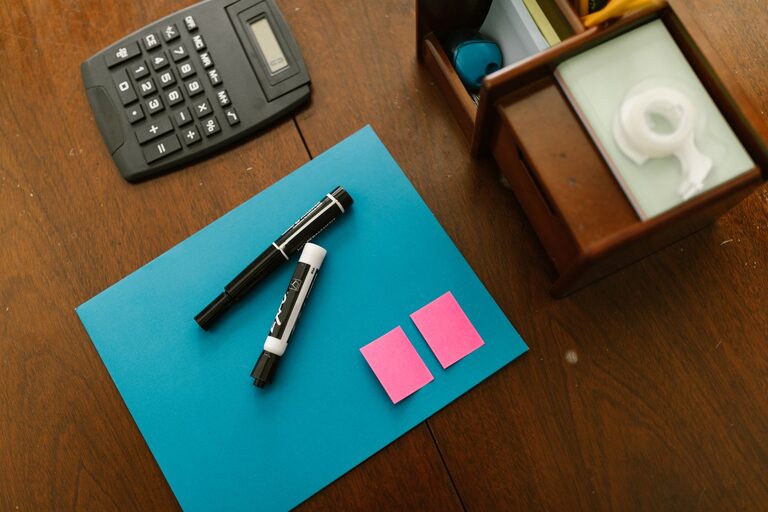
Having one designated spot for all incoming papers makes sorting easier. This could be a tray, a particular drawer, or a bulletin board in a convenient area.
– Sort immediately: Place mail, school papers, and important documents here as soon as they come in.
– Set up categories: Label bins or folders for bills, action items, to file, and recycle.
– Regularly empty the station: Schedule weekly or biweekly sessions to process everything.
2. Go Digital Whenever Possible
Technology offers great alternatives to paper:
– Switch to paperless billing and statements: Most service providers offer email or online account options.
– Scan important documents: Use a scanner or a mobile scanning app to create digital copies.
– Organize files on your computer: Create folders and back up documents regularly.
– Use digital note-taking apps: Replace paper notebooks with apps like Evernote, OneNote, or Google Keep.
3. Limit Incoming Paper
Reducing the amount of paper entering your home is key:
– Opt out of junk mail: Register on do-not-mail lists or directly request removal from unwanted catalogs.
– Unsubscribe from paper newsletters: Switch to email versions or stop subscriptions altogether.
– Communicate with schools and organizations: Ask if they offer digital updates.
4. Develop a Paper Filing System
A good filing system can save time and headaches:
– Keep it simple: Use broad categories like “Bills,” “Medical,” “Receipts,” and “Personal.”
– Use color-coded folders or labels: This makes locating papers easier.
– File regularly: Don’t let papers pile up; file or discard papers weekly.
– Shred sensitive documents you no longer need: Protect your information.
5. Handle Paper Immediately
Don’t let paper pile up by procrastinating:
– Deal with each piece of paper once: Read, act, file, or recycle immediately.
– Set aside a few minutes each day: Make this a routine habit.
– Keep a small shredder handy: Conveniently destroy unneeded documents.
6. Use Receipts Management Apps
Receipts can accumulate quickly, especially if you shop often:
– Use apps like Expensify or Shoeboxed: They help you digitize and organize receipts.
– Keep only necessary receipts: Toss those without warranty or return concerns.
– Create a folder for tax-related receipts during the year.
7. Reuse Paper When Possible
Before recycling, consider if paper can be reused:
– Scratch paper: Use the blank side for notes or lists.
– Craft projects: Repurpose for kids’ activities or gift wrapping.
– Donate unused notebooks: Schools or community centers may appreciate them.
8. Establish a Paper Decluttering Routine
Make decluttering an ongoing habit:
– Schedule monthly or seasonal reviews: Go through your paper piles and eliminate what’s no longer needed.
– Involve family members: Teach kids to manage their own papers.
– Celebrate small wins: Recognize progress to stay motivated.
Final Thoughts
Reducing paper clutter is a manageable goal with the right strategies and habits. By creating a central paper station, embracing digital alternatives, limiting incoming paper, and maintaining a regular filing and decluttering routine, your home will feel more spacious and organized. Small, consistent efforts can lead to big improvements in your daily life!
Start with one or two tips today, and enjoy a clutter-free home tomorrow.
About the Author